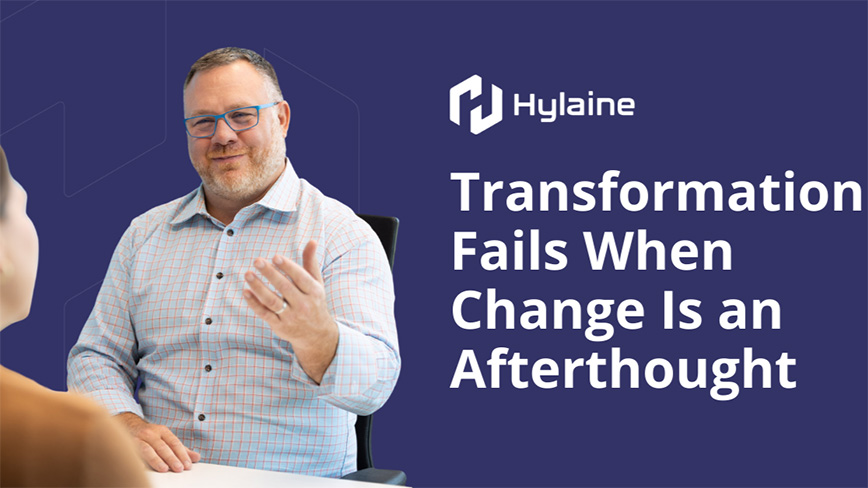
Transformation is a buzzword until someone has to use the new system.
We see it all the time: multi-million-dollar programs with elegant architecture and beautiful documentation that collapse in production because no one accounted for human adoption.
Change isn’t a workstream. It’s a dependency. And when you treat it like an afterthought, your entire program becomes fragile.
I sat with a PMO leader last quarter reviewing a claims platform migration. Everything was green: on time, on budget, in scope. The status reports looked pristine. Leadership was pleased. Until go-live.
Within two weeks, call center hold times doubled. Adjusters reverted to old spreadsheets. Customer satisfaction scores tanked.
Why? Because the change plan was two PDFs and a training webinar. No active engagement. No workflow redesign. No capacity built into the plan for actual adoption. The system worked perfectly. The people couldn’t use it.
This is where most transformations die. Not in the architecture. Not in the code. In the gap between what we built and how people actually work.
At Hylaine, we approach change as delivery infrastructure. We align delivery, PMO, and change from day one. That means change leads in design reviews, not just post-launch support. It means planning for resistance, not just comms. And it means giving teams time and space to absorb what we’re building.
You can’t retrofit trust. You can’t assume adoption. You can’t train your way out of poor delivery alignment. If the people who have to live with the change every day weren’t part of designing it, you haven’t built a solution. You’ve built a problem with better technology.
Transformation sticks when people feel heard, prepared, and supported. Anything else is churn in disguise. And churn is expensive, disruptive, and demoralizing for everyone involved.
The best transformations I’ve seen don’t happen to people. They happen with them. That distinction matters more than any technical decision you’ll make.